
SaaS MVP development in Pakistan: choose a usable first release
An early SaaS product needs more than a collection of attractive screens. It must let a defined customer complete a useful task while the operator can manage access, respond to problems and understand what was delivered. For founders considering SaaS MVP development in Pakistan, the release decision should separate the core customer job from optional automation, additional plans and future markets.
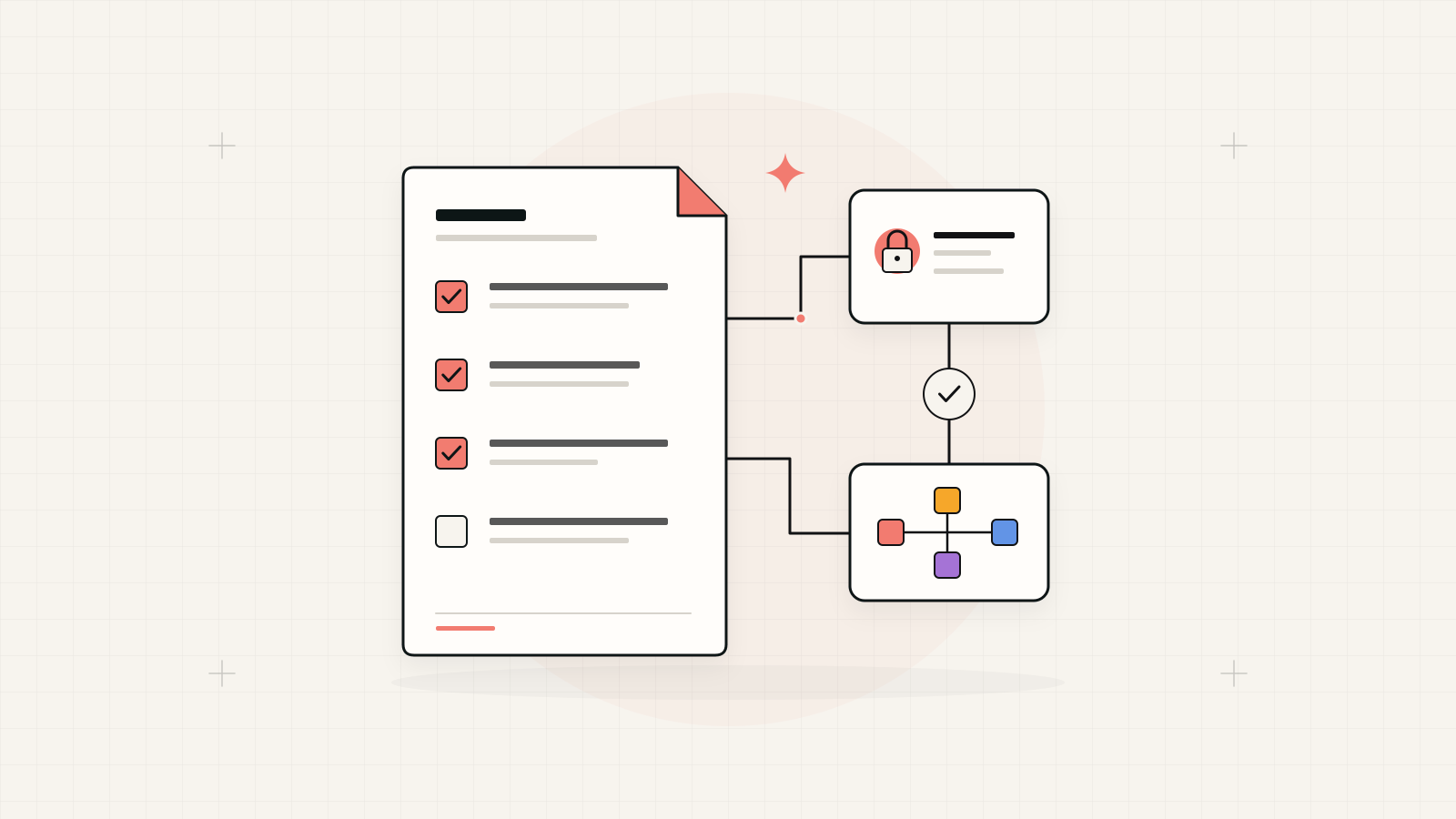
Make one customer job complete enough to use.
A first release can use deliberate manual operations where they are manageable and visible. It still needs correct access, a recoverable workflow and an owner for customer support. Choose learning questions that actual use can answer.
1. Write the customer job and the evidence of completion
Name the first customer group and the recurring task it needs to perform. Describe the input, the action and the usable result. A scheduling product might create an agreed booking; a reporting product might turn approved records into a reviewable report. Define why the customer would return rather than relying on a broad productivity promise.
Test the proposed flow with representative users before building every feature. Ask what they currently do, what information is missing and which exception would stop their work. Keep a record of assumptions and the observation that would change the product decision. A waitlist or positive interview is different evidence from a completed task in use.
2. Set workspace and user boundaries early
Decide whether the product serves individuals, teams or customer organisations. Define an owner, invited members and any restricted roles. Specify how a person belongs to more than one workspace and what happens when they leave. Shared team records and personal records may need different visibility and deletion behaviour.
Make separation between customer workspaces an acceptance requirement. Test records, files, search and exports using accounts from different organisations. An early product may have few users, but the business still needs a clear account model. Adding roles later is easier when the first release already knows which organisation owns each record.
3. Design onboarding to reach the first useful result
List what a new user must supply before the main task works. Provide a clear empty state, understandable validation and help when setup is incomplete. Decide whether sample content is appropriate and label it clearly. For an imported dataset, show which records were accepted and how the user corrects rejected information.
Consider assisted onboarding for an initial customer group if the operator can support it. Record the manual steps and who performs them. Measure where people stop and what help they need, rather than treating account registration as proof the product is useful. Keep account recovery and a visible support route within the first-release journey.
4. Separate payment collection from product access rules
Define what grants access: an approved pilot, an active subscription or a manually managed agreement. Describe limits in terms users can understand, such as members or completed jobs. Decide what happens when a limit is reached or access expires, including what customers can still read or export. Avoid losing customer work because a billing state changed unexpectedly.
Before choosing payment automation, verify provider availability, account requirements, currencies and supported commercial arrangements for the actual business. If invoicing begins manually, identify who activates access and reconciles payment. Document refunds, cancellations and support responsibilities with the business owner. Do not assume the software delivery team can determine commercial policy on its own.
5. Include the operator's side of the product
Specify the smallest administration capability needed to support customers: find an account, understand a failed job, change an approved access state and record a support action. Restrict powerful operations and keep a history where changes affect customer records. Support staff should not need unrestricted database access for ordinary help requests.
Agree monitoring, backups, recovery and deployment ownership. List recurring infrastructure and third-party dependencies separately from build scope. Define who responds when a key connection fails. An MVP can defer a polished administrative dashboard while retaining controlled operational tools and documentation that make the service supportable.
Where the product depends on repeat customer accounts and records, also review customer portal access and scope
6. Choose a pilot that can change the next decision
Define the first release through complete scenarios: join, configure, perform the task, recover from a mistake and obtain help. Select an initial group whose needs fit those scenarios. Record unsupported uses openly so the team can assess them instead of improvising commitments. Agree the point at which a pilot issue pauses further invitations.
Choose a review based on observed use, support burden and the original learning questions. Separate requests that improve the core task from features for a different market. This gives custom software development a concrete release boundary and keeps the next phase tied to customer evidence rather than a growing list of disconnected ideas.
Discuss the customer job, workspace model and operating boundary with a custom software development team in Pakistan
The first-release product brief
Bring the founder's learning questions and the operator's responsibilities into the same discussion.
- First customer group, recurring job and observable completion.
- Workspace ownership, invitations, roles and data separation scenarios.
- Onboarding, access policy, account recovery and support route.
- Manual operations, recurring services and criteria for the next release.