
Shopify vs custom e-commerce in Pakistan: choose by the sales flow
Choosing Shopify or custom e-commerce starts with how the business sells and fulfils an order. A retailer with a public catalogue may have different needs from a distributor using customer-specific quotations and approvals. For a business in Pakistan comparing e-commerce development proposals, test the complete sales flow, the provider dependencies and the work staff will perform after checkout.
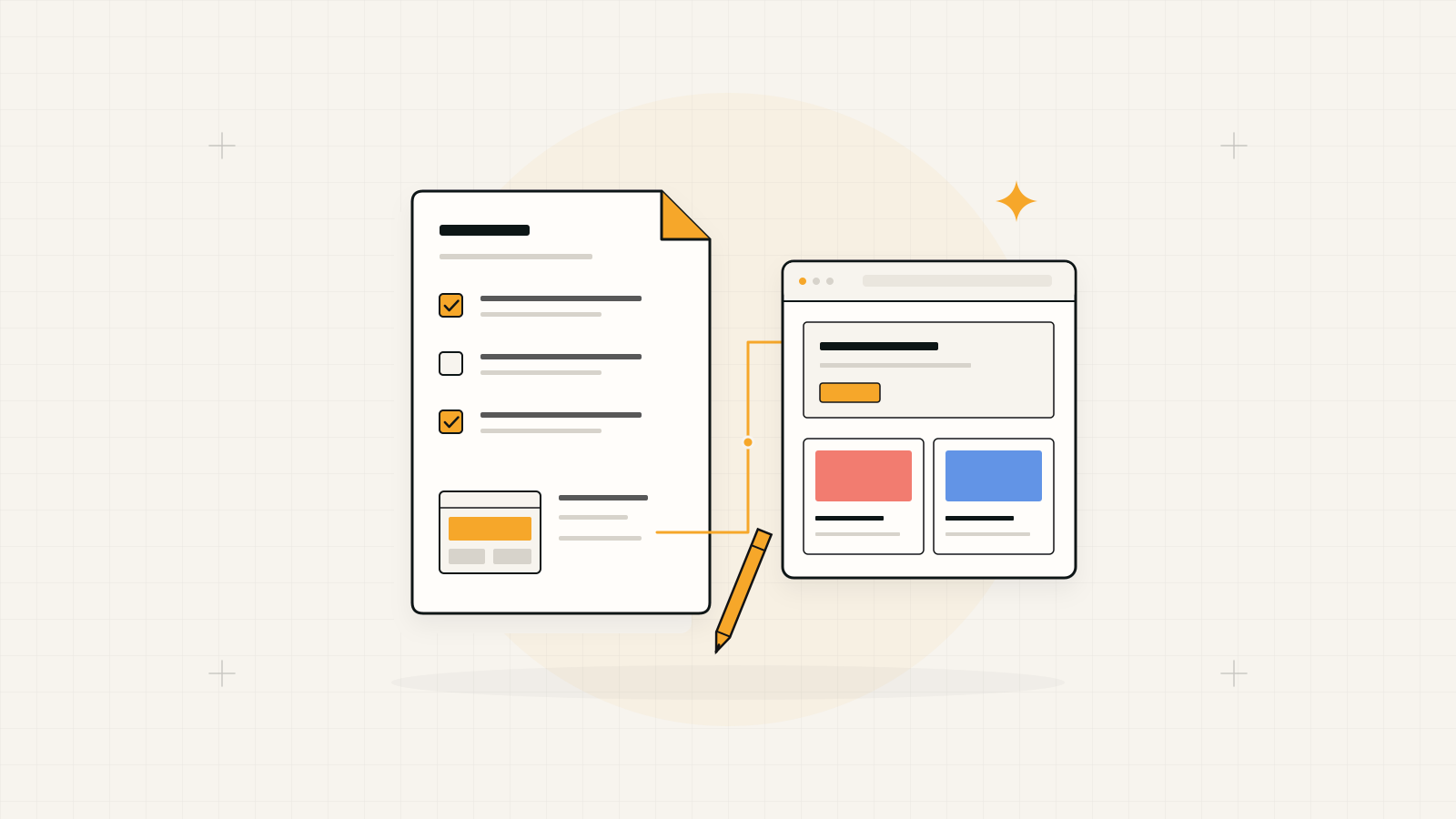
Use a platform fit test before commissioning custom commerce.
Consider a configured commerce platform when it supports the required catalogue, purchase and operating journey. Consider custom development where a verified essential gap remains. Separate appearance preferences from business rules that change how an order works.
1. Describe whether the customer buys, requests or negotiates
Map the main transaction. Can any visitor buy at a public price, must staff confirm availability, or does an approved customer request a quotation? Identify product variants, quantity rules, account requirements and the information required before the business accepts an order. A request-for-quote journey should not imply that a submission is already a confirmed purchase.
Separate the ordinary case from exceptions such as mixed availability, custom items and account-specific terms. Ask to see the proposed platform perform those cases rather than relying on a list of possible apps. Distinguish capabilities included in the quote from assumptions that need a separate proof of fit.
2. Test catalogue and merchandising with actual product data
Prepare a representative sample with images, categories, variants and required specifications. Define how customers find an item, compare relevant details and understand availability. Confirm who maintains product content and how bulk updates are checked. A reusable product template needs a content model that fits the catalogue, not just an appealing sample product.
For a redesign, preserve useful existing product and category destinations where appropriate. Agree how changed URLs are mapped and who approves rewritten content. Include search, filtering, empty results and discontinued products in the demonstration. These requirements apply whether the storefront uses a standard theme, customised design or purpose-built interface.
For existing product URLs and search settings, use the website redesign SEO guide
3. Verify payment and delivery arrangements for the business
Confirm payment-provider eligibility, supported transaction arrangements, settlement requirements and currencies directly for the business and selected implementation. Check delivery zones, rates, address fields and the handling of failed or returned deliveries. Do not assume a provider shown in a demo is available to the merchant's actual account or commercial setup.
Document recurring platform, app and provider charges using current offers from the relevant suppliers. Identify which charges vary with usage and who owns each account. Ask the development proposal to state dependencies and exclusions. This gives the business a maintainable operating picture without relying on an unsupported headline build price.
4. Follow the order into stock and fulfilment
Decide which system owns stock, order acceptance, dispatch and customer updates. A small operation may manage the process in its commerce platform; a business with shared warehouses may require an ERP connection. Define how an order is accepted, amended or cancelled and when availability changes. Keep each system's responsibility explicit.
Demonstrate duplicate messages, a delayed inventory update and an interrupted connection. Show the staff queue for unresolved orders and the message customers see. Agree how an approved correction returns to the storefront. A connection is part of the operating process, so assign its monitoring and support rather than treating it as a one-time installation.
For stock availability and warehouse movements, review inventory management software controls
5. Compare configuration, extensions and custom development
Ask suppliers to label each requirement as platform functionality, configuration, a third-party extension or custom development. Confirm extension ownership, upgrade responsibilities and the effect of an unavailable supplier. A custom-looking storefront can still rely on standard commerce operations; a familiar-looking store can contain substantial custom workflow work.
For an essential gap, ask for a bounded prototype or demonstration before committing the full build. Compare a platform extension with a separate portal or service where appropriate. Custom commerce needs its own administration, release, security and support responsibilities. Choose the boundary that the business can operate, not simply the longest feature list.
6. Accept the customer and staff journeys together
Test finding an item, placing the intended order or request, receiving confirmation and reaching the correct staff queue. Include payment failure where relevant, a cancellation, a partial fulfilment and a return. Verify mobile use, understandable form errors and the authorised administration roles. A storefront review alone cannot prove the operational handover works.
Record account ownership, product editing, backups where applicable, data export and ongoing maintenance. Establish which reports represent submitted orders, accepted orders and completed sales. Use the tested journey to choose Shopify implementation, custom e-commerce or a connected portal, with the remaining manual responsibilities visible in the agreed scope.
For a storefront, catalogue or commerce build, discuss web development in Karachi
For approved customers working with private records and requests, compare customer portal development
A commerce platform comparison pack
Ask each supplier to demonstrate the same products and order exceptions.
- Sales model, sample catalogue and order acceptance rules.
- Verified provider requirements, account owners and recurring charges.
- Stock ownership, fulfilment handover and integration failure handling.
- Included configuration, extension dependencies and end-to-end acceptance cases.