
A website development brief for your business
A useful website brief helps a business in Karachi or elsewhere in Pakistan compare proposals on the same scope. It explains what visitors need to understand and do, who will maintain the site and what launch must include. You do not need to choose every technical detail before speaking to a team, but these decisions should be visible.
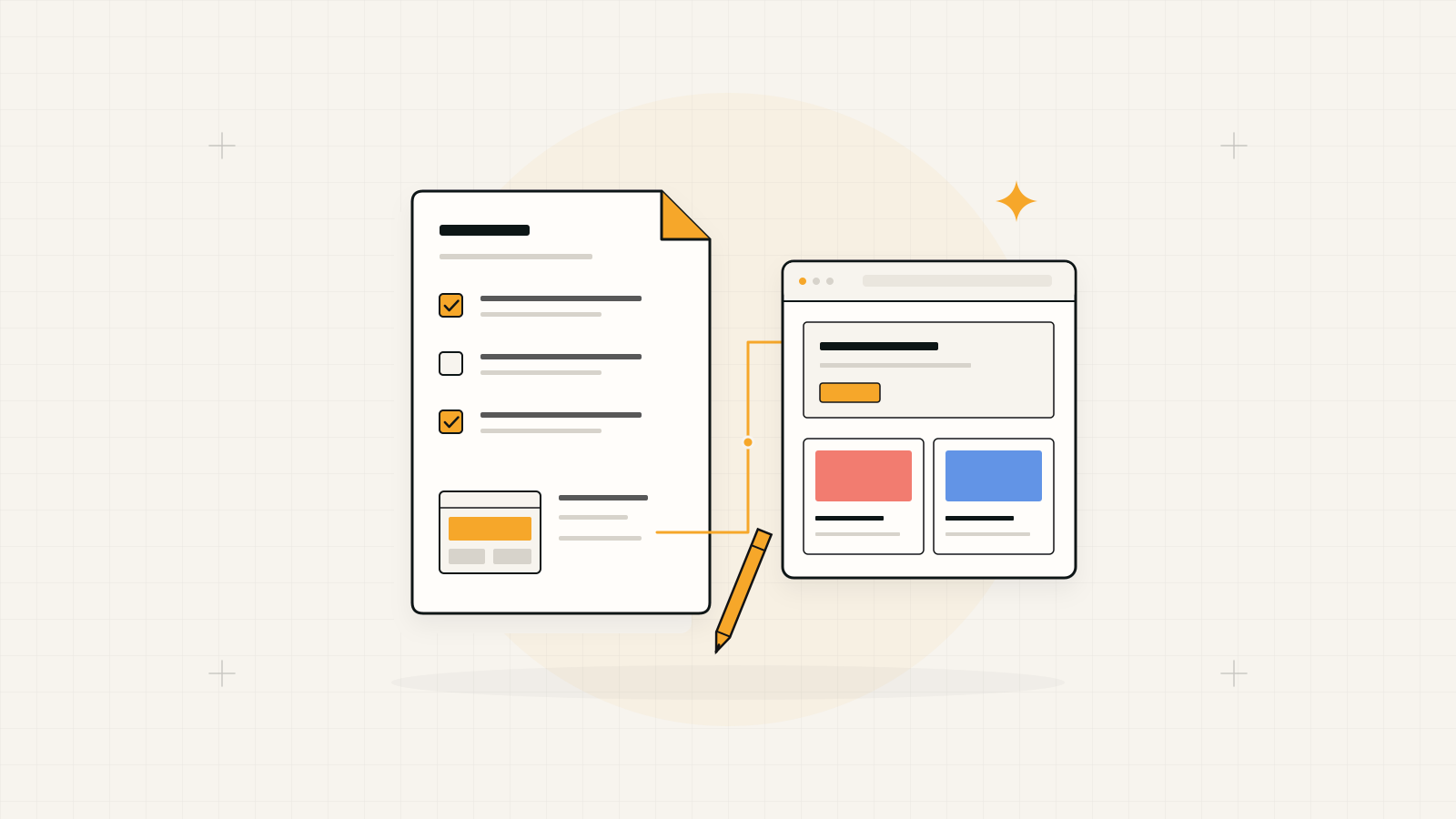
Write the job before the page count.
Start with one sentence: “Our website should help [audience] understand [offer] and complete [action].” Then specify what happens after that action. An enquiry site, an online shop and a customer portal need different journeys, content and operating responsibilities.
1. Define the audience and business action
Describe your primary customers, their locations, languages and questions before contacting or buying. Choose the main action: request a quotation, book a consultation, purchase a product or access an account. List secondary actions separately so every page does not compete for attention.
Explain how the business receives and responds to that action. If enquiries go to email or WhatsApp, name the responsible team. Define the signals you will review after launch, such as completed enquiries or purchases, and distinguish an outbound contact click from a successfully received enquiry.
2. Turn the page list into a scope
List the pages or templates you need and the question each answers. Separate reusable templates from individual entries: one product template and fifty products is different from fifty individually designed pages. Include navigation, search, forms, confirmation states and missing-page handling where needed.
For each page, assign the content owner and required action. State whether copywriting, photography, product entry, translation and migration are included. Note what can wait until a later release. This prevents two apparently similar proposals from hiding very different delivery responsibilities.
3. Choose a platform around the operating model
Consider a CMS when your team regularly publishes service pages, articles or other structured content. Ask to see the actual editing workflow and approval controls. Consider Shopify for a store when the catalogue, checkout and operational requirements fit the proposed setup. Confirm payment-provider availability, shipping, currency, apps and recurring charges for your specific business before choosing.
Consider a custom website or application when a distinctive customer journey, portal, business rule or integration needs purpose-built functionality. Custom presentation can still use a CMS. Ask the team to explain who updates content, what requires development and how the platform can be maintained.
WordPress, for example, separates editing and administration through roles and capabilities. WordPress role documentation
4. Prepare content and local business details
Provide the approved logo, offer descriptions, real project evidence, product details and contact information. Confirm permission to use photographs, client names and testimonials. Use temporary content only when the replacement owner and deadline are explicit; unfinished copy can delay design approval and launch.
State whether the experience serves Karachi, Pakistan or international customers. Include accurate service areas, opening hours and delivery information where relevant. If multiple languages are required, define who translates and approves them, how visitors switch language and which pages need equivalent content.
5. Include search and measurement in the brief
For a redesign, inventory existing URLs and identify useful pages to retain. Agree a map from replaced URLs to relevant new destinations. Include page titles, descriptions, headings, internal links, image descriptions, canonicals, sitemap and indexing settings in the delivery scope.
Require analytics and Search Console access through business-controlled accounts. Specify the actions to measure and how they will be tested. Discuss mobile speed and accessibility expectations using agreed pages and conditions. A launch can establish sound technical foundations; a proposal should not promise a specific search ranking.
Google recommends mapping old URLs to their new destinations and implementing redirects when URLs change. Google site migration guidance
6. Agree ownership and maintenance
Record who controls the domain, hosting, CMS or store account, source repository and third-party subscriptions. Ask for the handover format, editor training, backup and recovery process, and an inventory of recurring services. Make support scope, response expectations and the handling of future changes explicit.
Give delivery partners the access they need through individual accounts. Keep account recovery and business ownership with your organisation. Confirm the distinction between design assets, custom code, licensed themes and third-party tools so the handover accurately describes what you can use and maintain.
For Shopify, store ownership and domain ownership are separate handover considerations. Shopify ownership guidance
7. Define acceptance before launch
Choose a business sign-off owner and list the journeys to test on desktop and mobile. Verify forms reach the correct destination, store orders complete, links work, content is approved and restricted areas enforce permissions. Include keyboard use and understandable validation messages.
Agree a launch sequence with backups, domain changes, redirect checks and a recovery route. Verify production indexing settings and measurement after release. Separate defects in agreed scope from new requests, and record how each is handled during the support period. Acceptance should prove the site works for its visitors and operators.
A compact brief you can send
Answer these prompts in a shared document. Mark unresolved choices as questions for discovery rather than guessing a technical answer.
- Audience, primary action and the team responsible for responses.
- Page and template list, content owners and launch priorities.
- Editing, commerce and integration requirements; current URLs to preserve.
- Account ownership, support expectations, launch date and acceptance owner.